By Alex R. · Updated 2026-06-30 · 7 min read
 The prospect of creating a self-sufficient backyard is inspiring for many homeowners and gardeners. With The Self Sufficient Backyard, you can learn the skills necessary to produce your own food, conserve resources, and create an eco-friendly outdoor space. Whether you're curious about starting a small garden or envisioning a larger homesteading project, this guide provides valuable insight and practical steps to achieve your goals. Creating a self-sufficient backyard allows individuals and families to reduce their reliance on commercial food systems and shift toward sustainability. The book offers a comprehensive approach, covering various aspects from gardening to livestock management, ensuring you have the knowledge and tools needed to thrive in your self-sustaining journey.
 What is The Self Sufficient Backyard Exactly?
The Self Sufficient Backyard is not just a list of gardening tips; it's a foundational resource designed for anyone looking to cultivate a self-sufficient lifestyle from their own home. This guide encompasses everything from organic gardening methods, composting techniques, and natural pest control to small animal husbandry and renewable energy options. It encourages readers to adapt traditional practices and modern innovations to build gardens that produce food year-round. The book embraces related communities and concepts, promoting sustainability, environmental consciousness, and self-reliance. It serves as an educational tool for beginners diving into self-sufficiency and offers insights that even seasoned gardeners will find beneficial.How It Works: Step by Step
Related Reading: How to Start Reading Neuroquiet Reviews - A Step-by-Step Guide
The Self Sufficient Backyard outlines several steps to establish your self-reliant garden: 1. **Assessment**: Understand your space and climate. Assess what type of garden best suits your environment, be it a vegetable plot, herb garden, or fruit orchard. 2. **Planning**: Create a layout for your garden. Include adequate space for plants and pathways to ease maintenance and harvesting. 3. **Soil Preparation**: Focus on enriching your soil through composting and adding organic materials to ensure a fertile growing environment. 4. **Plant Selection**: Choose crops that are well-suited to your climate and that you enjoy eating. The book suggests a combination of annuals and perennials for a good harvest year after year. 5. **Maintenance**: Implement watering, weeding, and pest management strategies. The guide offers organic solutions to minimize chemical use. 6. **Harvesting and Storage**: Learn the best times to harvest your crops and effective storage methods to extend their lifespan. 7. **Continual Learning**: Each growing season provides a chance to adapt and learn from previous experiences, ensuring you grow in your skills and understanding.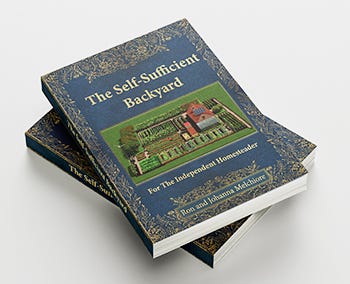
Concrete Benefits for Users
Building a self-sufficient backyard has several advantages: - **Food Independence**: Grow your own fruits and vegetables, ensuring you have access to fresh produce. - **Cost Savings**: Reduce grocery bills by supplementing your food source with homegrown produce. - **Enhanced Nutrition**: Freshly harvested food often retains more nutrients than store-bought options. - **Environmental Impact**: Decrease your carbon footprint by reducing reliance on store-bought items transported over long distances. - **Creative Expression**: Gardening is a fulfilling hobby that can enhance your mental well-being.Honest Limitations
Related Reading: Monopoly GO Free Dice Links Today: What to Check Before You Click
While The Self Sufficient Backyard provides extensive guidance, there are some limitations: - **Time Commitment**: Establishing a self-sufficient backyard requires significant time and effort, particularly at the beginning. - **Learning Curve**: Beginners may face challenges in understanding plant care, soil management, and pest control initially. - **Initial Costs**: Tools and resources needed to set up a garden can be a financial investment upfront.Comparison with Alternatives
| Criteria | The Self Sufficient Backyard | Other Gardening Books |
|---|---|---|
| Comprehensiveness | Very high | Moderate |
| User-Friendly | Highly structured | Variable |
| Focus on Sustainability | Strong emphasis | Limited |
✓ Pros
Comprehensive approach to self-sufficiency.
User-friendly layout for easy navigation.
Strong emphasis on sustainability and environmentalism.
✗ Cons
Requires significant time and effort to establish practices.
Initial costs may be high for tools and materials.
Steep learning curve for beginners in certain areas.
Resource mentioned in this article
The Self Sufficient Backyard
Up-to-date pricing and terms
View the The Self Sufficient Backyard offer →
How to Get Started: Practical Steps
Related Reading: How to Get Started with Free iPhone 17 - A Beginner's Guide
To embark on your journey to a self-sufficient backyard, follow these practical steps: 1. **Research & Education**: Begin by reading The Self Sufficient Backyard and explore online resources related to gardening and sustainable practices. 2. **Planning Your Space**: Make detailed plans of your backyard layout based on sunlight, drainage, and crop choices. 3. **Gather Materials**: Collect tools, seeds, soil amendments, and composting bins as necessary. 4. **Start Small**: Begin with a few plants or a small garden bed to gauge your efforts and progressively expand as you gain confidence. 5. **Engage with Community**: Join local gardening clubs or online forums for support and shared knowledge. 6. **Track Progress**: Keep records of your plant growth, yields, and challenges faced to continuously learn and improve your methods. 7. **Stay Consistent**: Regular maintenance and a commitment to learning will yield long-term rewards.See current details and pricing
Learn more about The Self Sufficient Backyard →Frequently Asked Questions
Option featured in this guide:
Explore The Self Sufficient BackyardAffiliate link — our editorial analysis remains independent.
This article contains affiliate links. Our editorial analysis remains independent.